Hidden Clutter Is Still Clutter: How To Reset Your Storage Furniture

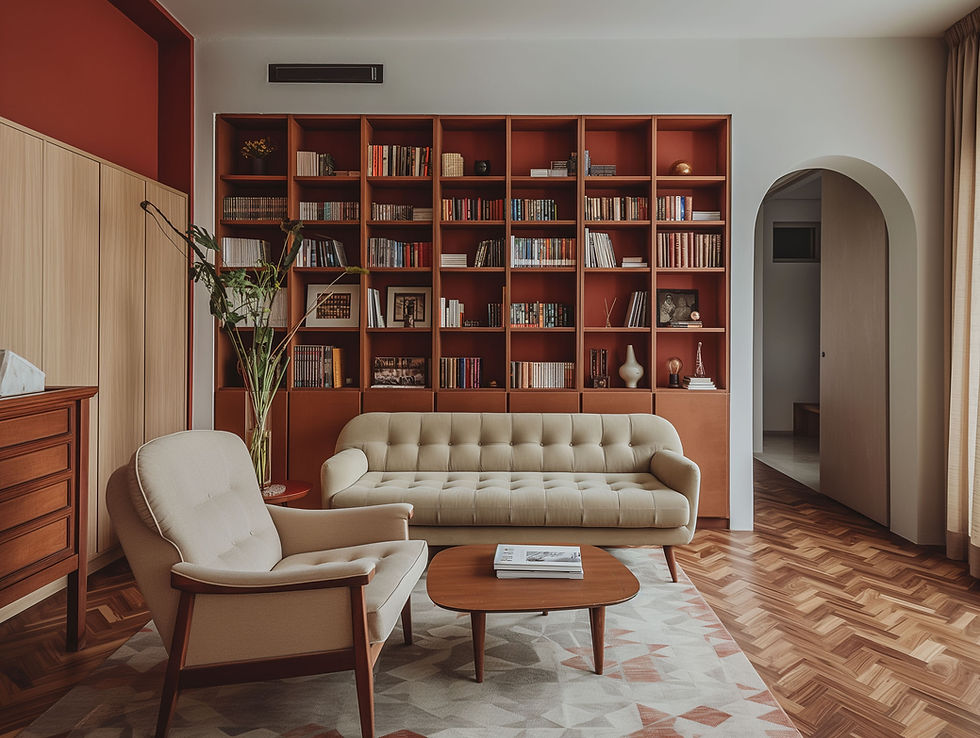
Sometimes the most overwhelming clutter is the clutter nobody sees.
The cabinet you avoid opening.
The storage ottoman stuffed so full nothing fits anymore.
The entertainment center holding cords, batteries, random papers, old remotes, and things nobody remembers putting there.
The baskets that technically “contain” the clutter… but still feel stressful every time you interact with them.
Hidden clutter has a way of quietly draining mental energy.
Because even when the room looks clean on the outside, your brain still remembers the chaos hiding underneath.
And honestly?
A lot of organizing advice accidentally encourages this.
Just toss it in a basket.
Put it behind a cabinet door.
Hide it in storage.
At first, that feels productive.
Until the storage furniture becomes impossible to maintain.
That’s when people start feeling frustrated.
Not because they failed.
Because the systems stopped functioning.
At Hopeful Simplicity, we talk a lot about the difference between:
hiding clutter
and
managing clutter.
Because sustainable organization is not about creating better hiding spots.
It’s about creating systems that actually support daily life.
That’s where the 3S Method helps:
Simplify
Sort
Sustain
Especially in living rooms where storage furniture has to work overtime for busy families.
⸻
Why Hidden Clutter Still Feels Overwhelming
A lot of people assume clutter only matters if it’s visible.
But hidden clutter still affects:
functionality
stress levels
decision fatigue
cleanup routines
family systems
maintenance
You may not see the clutter constantly, but you interact with the consequences of it all the time.
For example:
drawers that won’t close
tangled charging cords
overflowing toy baskets
cabinets packed too tightly
losing things repeatedly
avoiding cleanup because storage feels impossible
constantly shifting clutter from one spot to another
Hidden clutter creates friction.
And friction makes everyday tasks feel harder than they should.
That’s why people often say things like:
“I just feel mentally exhausted by this room.”
Even when the surfaces look fairly clean.
Because organization is not just visual.
It’s functional.
⸻
Storage Furniture Is Often Carrying Too Much
Living rooms are one of the hardest-working spaces in the home.
And storage furniture usually ends up carrying the burden of that.
Bookshelves become memory storage.
Entertainment centers become tech storage.
Ottomans become blanket storage.
Baskets become “everything” storage.
Over time, every available compartment gets filled.
Not intentionally.
Gradually.
One random item at a time.
And eventually the systems stop making sense.
That’s usually the moment when people start:
shoving things into cabinets
stacking items carelessly
overfilling baskets
avoiding the space altogether
Not because they’re lazy.
Because the storage stopped being manageable.
That’s why sustainable organization starts with reducing pressure on the furniture itself.
Storage furniture cannot solve clutter overload by itself.
It can only support what the home realistically needs to hold.
⸻
Step 1: Simplify Before You Organize
The first step of the 3S Method is Simplify.
And honestly, this is the step most people skip with hidden clutter.
Because hidden clutter is easy to ignore.
Until you finally open the cabinet and realize:
“Oh wow… this is worse than I thought.”
Before reorganizing storage furniture, start by reducing volume.
That means:
removing trash
tossing broken items
relocating things that belong elsewhere
removing duplicates
donating unused items
reducing overflow baskets
letting go of “just in case” clutter
One of the biggest mistakes people make is trying to organize overfilled storage.
But if the furniture is packed beyond capacity, no organizing product will make it feel functional long-term.
Simplifying creates breathing room.
And breathing room makes systems easier to maintain.
⸻
Step 2: Sort Storage Furniture By Function
Once the clutter is reduced, it’s time to Sort.
This is where hidden storage starts becoming intentional instead of chaotic.
One of the best questions you can ask is:
“What is this furniture supposed to support?”
For example:
entertainment centers may support media and electronics
ottomans may support blankets
baskets may support kid items
bookshelves may support books and display pieces
cabinets may support games or family activities
The more specific the function becomes, the easier maintenance gets.
What usually creates overwhelm is when storage furniture becomes:
“random miscellaneous storage.”
That’s when items lose homes completely.
Instead, try:
grouping similar items together
creating simple categories
limiting overflow
giving baskets one purpose
reducing “junk drawer” zones
storing frequently used items accessibly
And honestly?
Simple systems almost always outperform complicated systems.
Because if a system takes too much effort to maintain, people stop using it.
⸻
Step 3: Sustain Systems That Actually Work
This is where realistic organizing matters most.
Because even beautifully organized cabinets eventually become messy again if the systems are too difficult to maintain.
That’s why Sustain matters.
Sustain is not about maintaining perfection.
It’s about maintaining functionality.
A sustainable hidden-storage system might include:
resetting one basket weekly
quickly tossing trash during nightly pickups
limiting overflow items
doing seasonal cabinet resets
returning items immediately after use
creating family-friendly systems everyone can follow
The goal is not:
“Never let the cabinets get messy.”
The goal is:
“Prevent small messes from turning into overwhelming resets.”
Because once clutter becomes overwhelming, people avoid dealing with it.
And avoidance is usually where hidden clutter grows fastest.
⸻
Hidden Clutter Often Represents Delayed Decisions
One of the most helpful mindset shifts with organization is realizing that hidden clutter is often made up of postponed decisions.
Things you meant to deal with later.
Things you weren’t sure where to put.
Things you kept “just in case.”
Things you got tired of looking at.
That doesn’t make you disorganized.
It makes you human.
Especially in busy homes where people are constantly multitasking and moving quickly.
That’s why realistic systems matter so much.
Because the easier it is to make decisions in the moment, the less hidden clutter builds up over time.
And honestly?
Sometimes the goal is not creating perfect storage.
Sometimes the goal is simply:
“Can I open this cabinet without stress?”
That’s progress too.
⸻
Quick Hidden Clutter Reset
If your storage furniture feels overwhelming right now, start here:
Open one cabinet or basket
Remove obvious trash or broken items
Relocate things that belong elsewhere
Create one simple category inside the space
Leave breathing room before closing it again
That’s enough.
You do not need to reorganize the entire living room in one day.
Small resets count.
⸻
Ready For More Living Room Support?
✨ Looking for a realistic reset plant that actually works? Start with the Living Room Reset Bundle in the virtual shop.
✨ Start your free trial inside the Hopeful Simplicity Library for guided audio resets, realistic organizing systems, and room-by-room support designed for real-life homes.
Start small.
Stay hopeful 🧡


